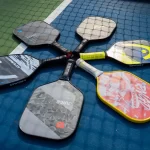

Traditionally, tennis courts have symbolised athleticism, precision, and the thrill of competition. However, a new force is sweeping across the courts, ushering in excitement and inclusivity—pickleball. This burgeoning sport is rapidly gaining traction, prompting tennis court owners to rethink their spaces and convert them into vibrant pickleball hubs. This article delves into the possibilities and procedures involved in transforming tennis courts into pickleball havens, shedding light on the advantages, conversion steps, and the motivations behind this burgeoning trend. Pickleball court conversions from tennis into pickleball is booming all over Australia with tennis court owners realising that they hardly use their courts anymore and pickleball is more fun anyway.
The Pickleball Surge:
Pickleball, an amalgamation of tennis, badminton, and table tennis, has experienced a surge in popularity in recent times. Its appeal lies in its accessibility to players of all ages and skill levels, presenting itself as an inclusive and enjoyable alternative to traditional racket sports. A key catalyst for its rise is its adaptability to existing tennis infrastructure, sparking a wave of tennis court conversions into pickleball playgrounds.
Advantages of Converting Tennis Courts into Pickleball Courts:
- Optimised Space Utilisation: Pickleball courts are smaller than their tennis counterparts, allowing for the creation of multiple pickleball courts within the confines of a single tennis court. This maximizes the use of existing facilities, accommodating a broader spectrum of players and elevating the overall value of the space.
- Inclusive Appeal: With its smaller court size and more moderate pace, pickleball caters to players of all ages and fitness levels. The sport’s beginner-friendly nature fosters social interaction, cultivating a sense of community that attracts a diverse player base.
- Cost-Effective Transformation: Converting a tennis court into a pickleball court presents a cost-effective method of rejuvenating aging or underutilized facilities. The conversion process, though comprehensive, is relatively straightforward, enabling court owners to make the transition without a substantial financial burden.
The Conversion Process:
The metamorphosis of a tennis court into a pickleball haven involves several key steps:
- Court Measurement and Marking: Pickleball courts, with dimensions approximately 6.1 meters by 13.4 meters for doubles and 6.1 meters by 6.7 meters for singles, require precise measurement and marking on the existing tennis court. This adjustment ensures compatibility with the smaller scale of pickleball.
- Net Installation: Installing a pickleball net at approximately 86.4 centimeters at the center and 91.4 centimeters at the sidelines is a pivotal step in the conversion process. This ensures the court meets the specific requirements for optimal pickleball gameplay.
- Pickleball Court Surface: While many tennis courts already boast suitable surfaces, some may necessitate resurfacing to align with pickleball standards. A smooth, non-slip surface is imperative for an enjoyable and safe playing experience.
- Additional Court Markings: Integrating additional lines for serving, non-volley zones (the kitchen), and boundary lines completes the transformation, turning a traditional tennis court into a fully functional pickleball court.
Embracing the Trend:
As tennis court owners increasingly recognise the potential and benefits of embracing pickleball, this trend is fast becoming a staple in recreational sports. Ask any pickleball coaching professional and they’ll tell you the transition not only aligns with evolving player preferences but also fosters a lively and inclusive atmosphere for all. Whether you’re a tennis aficionado seeking a new challenge or a facility owner aiming to revitalize your space, the conversion to pickleball could be the game-changer you’ve been looking for!